

How to Choose the Right Mouse:
To choose the right mouse, match it with your usage type, comfort needs, and performance requirements. Gaming needs precision, office work needs ergonomics, and casual use needs simplicity.Choosing the right mouse improves performance. For a full overview, read our computer mouse guide
Read more about cloth vs hard mouse pad.
How to Choose the Right Mouse Depends on Usage Type, Ergonomics, and Performance Needs
How to choose the right mouse depends on usage type, ergonomics, and performance needs. The right choice improves comfort, accuracy, and productivity.
Better match equals better experience.
What a Computer Mouse Is and Why It Matters?
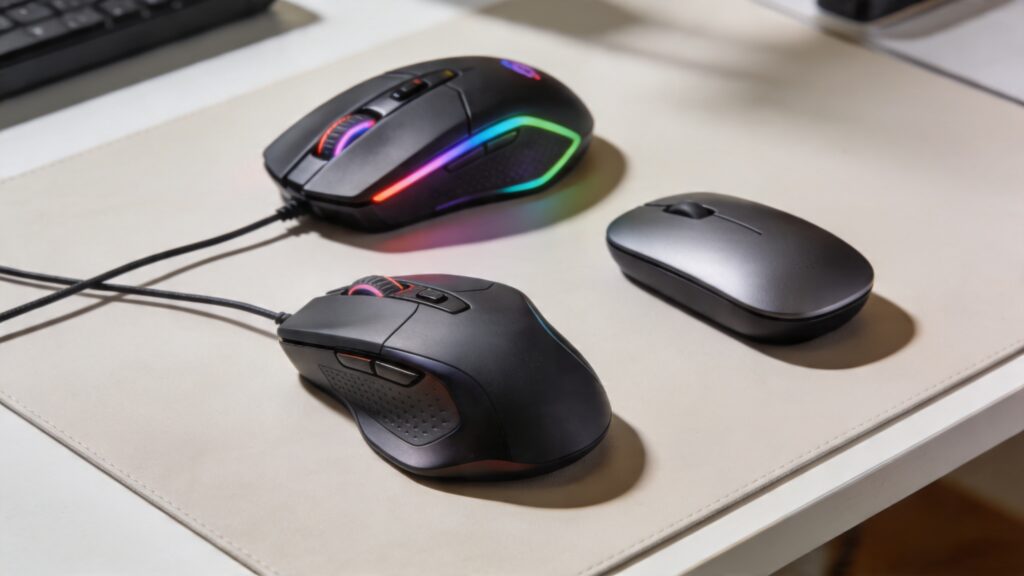
A computer mouse is an input device used to control the cursor and interact with a system.A mouse is a core input device. Learn more in our mouse input device guide.
Mouse Device Converts Hand Movement into Cursor Control
Mouse device converts hand movement into cursor control. It translates physical motion into digital input.
Smooth control improves usability. Essential for all computer tasks.
Input Accuracy Determines User Experience
Input accuracy determines user experience. Precise tracking reduces errors and improves efficiency.
Better accuracy improves performance. Work becomes easier.
Types of Computer Mouse and Their Use Cases
Different types of computer mouse serve different purposes based on user needs.Different types serve different needs. See types of computer mouse.
Standard Mouse Supports Basic Tasks
Standard mouse supports basic tasks. It is simple, affordable, and easy to use.
Ideal for casual users. Suitable for general tasks.
Gaming Mouse Enhances Speed and Precision
Gaming mouse enhances speed and precision. It offers high DPI, fast response, and extra buttons.
Best for competitive users. Improves reaction time.
Ergonomic Mouse Reduces Wrist Strain
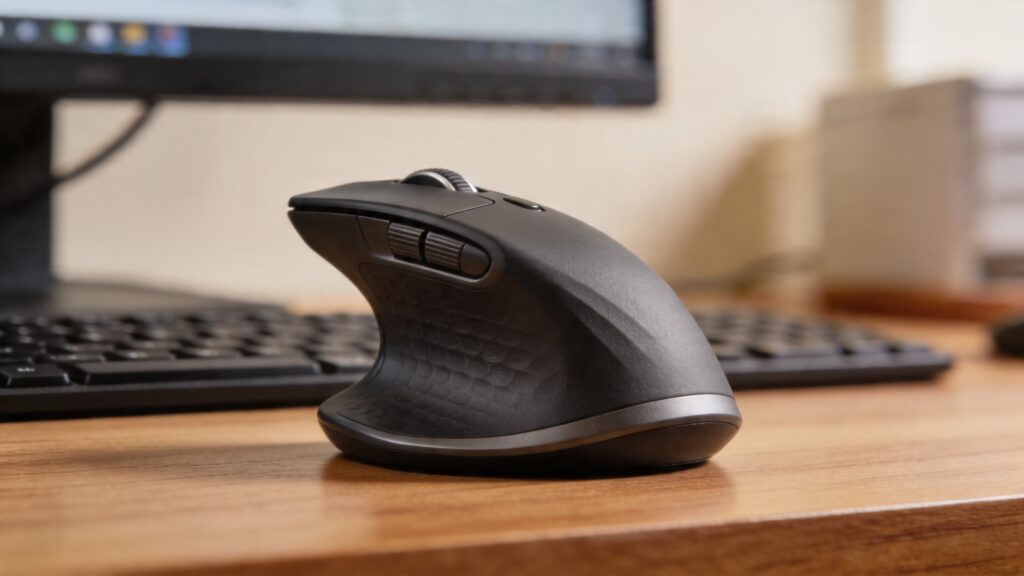
Ergonomic mouse reduces wrist strain. It supports natural hand positioning.
Improves comfort during long sessions. Ideal for office work.
Vertical Mouse Improves Natural Hand Position
Vertical mouse improves natural hand position. It reduces wrist rotation and strain.
Better posture improves comfort. Good for long-term health.
Trackball Mouse Eliminates Arm Movement
Trackball mouse eliminates arm movement. Users control the cursor using a ball.
Reduces desk space usage. Ideal for limited space setups.
Wired vs Wireless Mouse – Choosing the Right Connection
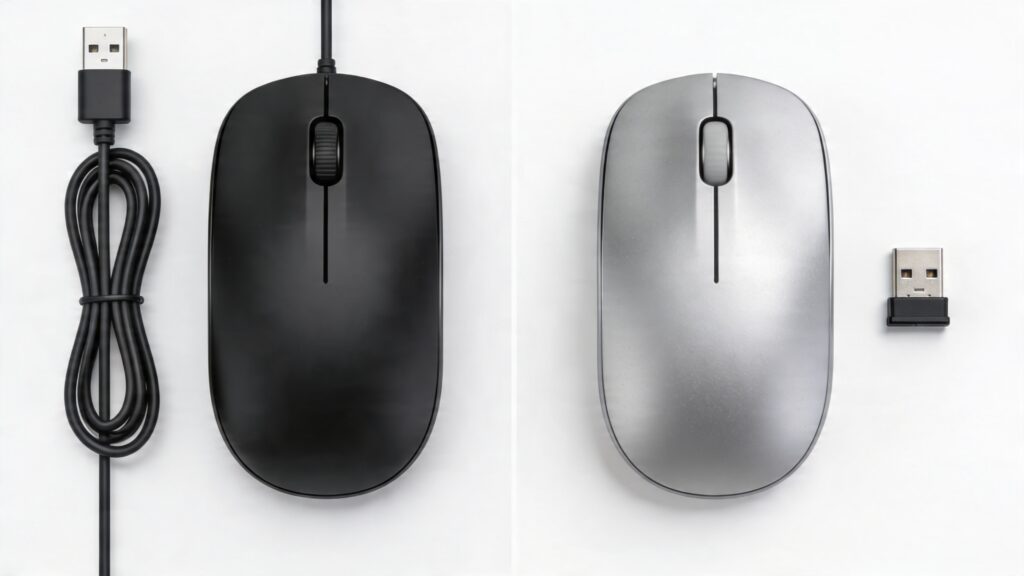
Wired vs wireless mouse depends on stability and convenience.
Wired Mouse Provides Stable Low Latency
Wired mouse provides stable low latency. Direct connection ensures instant response.
Reliable performance improves accuracy. No battery required.
Wireless Mouse Enables Flexible Setup
Wireless mouse enables flexible setup. No cables improve mobility and desk organization.
Cleaner setup enhances productivity. Ideal for modern users.
How Usage Type Defines the Right Mouse?
Usage type defines the right mouse based on performance and comfort needs.
Gaming Requires High Precision and Low Latency
Gaming requires high precision and low latency. Fast response improves reaction time.Read more about cloth vs hard mouse pad
Better performance increases competitiveness. Essential for gamers.
Office Work Requires Comfort and Efficiency
Office work requires comfort and efficiency. Ergonomic design supports long usage.
Better comfort improves productivity. Ideal for professionals.
Design Work Requires Accurate Tracking
Design work requires accurate tracking. Precision is critical for editing and creative tasks.
Better accuracy improves results. Essential for designers.
Casual Use Requires Simplicity
Casual use requires simplicity. Basic features are enough for everyday tasks.
Simple design improves usability. No advanced features needed.
Ergonomics and Comfort – The Most Important Factor
Ergonomics and comfort are the most important factors when choosing the right mouse because they directly affect long-term usability and health.
Shape Design Supports Natural Hand Position
Shape design supports natural hand position. A well-designed mouse keeps your wrist in a relaxed and neutral position.
Better positioning reduces strain. Improves long-term comfort.
Size Matching Prevents Hand Fatigue
Size matching prevents hand fatigue. A mouse that fits your hand avoids unnecessary tension.
Proper fit improves control. Reduces discomfort during long sessions.
Long-Term Use Requires Proper Support
Long-term use requires proper support. Ergonomic structure helps prevent wrist pain and repetitive strain injuries.
Better support improves productivity. Essential for daily users.
Mouse Grip Styles and Their Impact
Mouse grip styles affect how you control the mouse and how comfortable it feels.Grip affects comfort. Explore best mouse grip styles.
Palm Grip Provides Full Hand Support
Palm grip provides full hand support. The entire hand rests on the mouse for stability.
Best for comfort. Ideal for long sessions.
Claw Grip Balances Speed and Control
Claw grip balances speed and control. Fingers are arched for quicker clicks and movements.
Good for mixed usage. Popular among gamers.
Fingertip Grip Maximizes Agility
Fingertip grip maximizes agility. Only the fingertips control the mouse.
Best for fast movement. Less comfortable for long use.
DPI and Sensitivity Explained
DPI and sensitivity define how fast and accurately your cursor moves on the screen.
DPI Determines Cursor Movement Speed
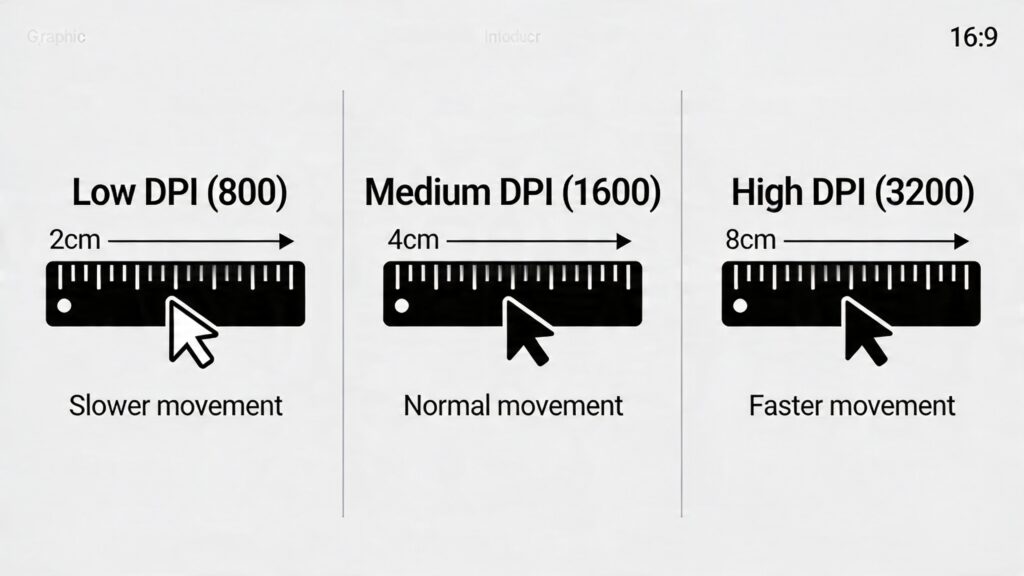
DPI determines cursor movement speed. Higher DPI means faster movement across the screen.
Lower DPI improves precision. Higher DPI increases speed.
Adjustable DPI Improves Flexibility
Adjustable DPI improves flexibility. Users can switch settings based on tasks.
Custom settings enhance performance. Ideal for multi-purpose use.
DPI Selection Table
DPI selection depends on your usage type and required level of precision.
| Use Case | Recommended DPI |
|---|---|
| Office Work | 800–1600 |
| Gaming (FPS) | 400–800 |
| Design Work | 800–1200 |
| General Use | 1000–1600 |
Sensor Type and Tracking Technology
Sensor type determines how accurately the mouse tracks movement.
Optical Sensor Provides Consistent Performance
Optical sensor provides consistent performance. It uses light for precise tracking on most surfaces.
Reliable and accurate. Best for most users.
Laser Sensor Works on More Surfaces
Laser sensor works on more surfaces. It can track even on glossy or uneven materials.
More versatile. Slightly less consistent in precision.
Mouse Size and Weight Considerations
Mouse size and weight affect both comfort and performance.
Larger Mouse Improves Comfort
Larger mouse improves comfort. It supports full hand contact and reduces strain.
Better for long-term use. Ideal for office work.
Lightweight Mouse Enhances Speed
Lightweight mouse enhances speed. It allows faster movement and quicker reactions.
Better for gaming. Improves agility.
Mouse Buttons and Productivity Features
Mouse buttons and features can significantly improve workflow efficiency.
Extra Buttons Increase Workflow Efficiency
Extra buttons increase workflow efficiency. Quick shortcuts reduce repetitive actions.
Faster navigation saves time. Improves productivity.
Programmable Buttons Automate Tasks
Programmable buttons automate tasks. Users can assign custom commands or macros.
Automation improves efficiency. Ideal for advanced users.
Battery Life and Power Options
Battery life and power options determine how reliable and convenient a mouse is for daily use.
Rechargeable Battery Improves Convenience
Rechargeable battery improves convenience. Users can charge the mouse instead of replacing batteries.
Less maintenance required. Better for long-term use.
Replaceable Battery Extends Usage Time
Replaceable battery extends usage time. Swapping batteries ensures uninterrupted work.
Ideal for users who prefer quick solutions. Reliable for travel.
Mouse Material and Build Quality
Mouse material and build quality affect durability, comfort, and overall experience.Read more about cloth vs hard mouse pad
Durable Materials Improve Longevity
Durable materials improve longevity. High-quality construction ensures the mouse lasts longer.
Better durability provides value. Reduces replacement costs.
Grip Texture Enhances Control
Grip texture enhances control. Non-slip surfaces improve handling accuracy.
Better grip improves precision. Ideal for extended use.
Mouse Pad Compatibility and Surface Impact
Mouse pad compatibility and surface impact directly affect tracking performance.
Mouse Pad Improves Tracking Accuracy
Mouse pad improves tracking accuracy. A consistent surface ensures smooth and precise movement.
Better tracking enhances control. Essential for precision tasks.
Surface Type Affects Performance
Surface type affects performance. Rough or reflective surfaces can reduce accuracy.
Consistent texture improves reliability. Better user experience.
Mouse vs Touchpad – Which One Should You Choose
Mouse vs touchpad depends on precision needs and portability preferences.
Mouse Provides Better Precision
Mouse provides better precision. It allows accurate control for tasks like editing and gaming.
Better for productivity. Ideal for long sessions.
Touchpad Offers Portability
Touchpad offers portability. Built into laptops, it requires no extra device.
Convenient for travel. Limited in precision.
Gaming Mouse vs Regular Mouse
Gaming mouse vs regular mouse depends on performance and usage requirements.
Gaming Mouse Focuses on Performance
Gaming mouse focuses on performance. It offers high DPI, fast response, and advanced features.
Best for precision tasks. Ideal for gamers and professionals.
Regular Mouse Focuses on Simplicity
Regular mouse focuses on simplicity. It provides basic functionality for everyday use.
Easy to use. Suitable for casual users.
Choosing Mouse Based on Budget
Choosing mouse based on budget helps balance cost and features.
Budget Mouse Covers Basic Needs
Budget mouse covers basic needs. It offers simple performance for everyday tasks.
Affordable and practical. Good for casual users.
Premium Mouse Offers Advanced Features
Premium mouse offers advanced features. It includes better sensors, build quality, and customization.
Higher performance justifies cost. Ideal for demanding users.
Budget Comparison Table
Budget comparison table helps users choose the right mouse based on their needs and budget.
| Budget Range | Features Included | Best For |
|---|---|---|
| Low | Basic functionality | Casual users |
| Mid | Better ergonomics + DPI | Office work |
| High | Advanced sensors + features | Gaming/design |
Choosing Mouse Based on Device Compatibility
Choosing mouse based on device compatibility ensures smooth performance and proper functionality across systems.
Windows Compatibility
Windows compatibility is widely supported. Most mice work instantly without additional setup.
Plug-and-play makes usage easy. Ideal for general users.
Mac Compatibility
Mac compatibility may require specific support. Some advanced features depend on software.
Basic functions usually work fine. Check compatibility for full features.
Multi-Device Support
Multi-device support allows switching between devices like laptops, tablets, and desktops.
Improves flexibility. Ideal for modern workflows.
Choosing Mouse for Different Professions
Choosing mouse for different professions depends on specific performance and comfort needs.
Gamers Require High Performance
Gamers require high performance. Fast response and precision improve gameplay.
Essential for competitive use.
Office Workers Need Comfort
Office workers need comfort. Ergonomic design supports long working hours.
Improves productivity and reduces fatigue.
Designers Need Precision
Designers need precision. Accurate tracking is essential for detailed work.
Improves quality and control.
Programmers Need Efficiency
Programmers need efficiency. Extra buttons and smooth navigation improve workflow.
Saves time and effort.
Common Mistakes When Choosing a Mouse
Common mistakes when choosing a mouse can reduce performance and comfort.
Ignoring Ergonomics Causes Discomfort
Ignoring ergonomics causes discomfort. Poor design leads to wrist strain.
Better ergonomics improves long-term use.
Choosing High DPI Without Need Reduces Control
Choosing high DPI without need reduces control. Too much sensitivity makes movement harder.
Balanced DPI improves accuracy.
Ignoring Size Causes Poor Fit
Ignoring size causes poor fit. A mouse that doesn’t match hand size reduces comfort.
Proper size improves usability.
How to Test a Mouse Before Buying?
Testing a mouse helps ensure it fits your needs and preferences.
Hand Fit Determines Comfort
Hand fit determines comfort. A proper fit reduces strain and improves control.
Essential for long-term use.
Movement Smoothness Shows Performance
Movement smoothness shows performance. Smooth tracking indicates a good sensor.
Better performance improves experience.
Best Features to Look for in a Mouse
Best features define how effective and comfortable a mouse is.
Adjustable DPI Improves Flexibility
Adjustable DPI improves flexibility. Users can switch speed based on tasks.
Enhances performance across different uses.
Ergonomic Shape Enhances Comfort
Ergonomic shape enhances comfort. Natural design supports long sessions.
Reduces fatigue and strain.
Reliable Sensor Ensures Accuracy
Reliable sensor ensures accuracy. Consistent tracking improves precision.
Essential for all users.
Mouse Selection Checklist
Mouse selection checklist helps you quickly evaluate the best option.
| Factor | Importance | Notes |
|---|---|---|
| Ergonomics | High | Prevents strain |
| DPI | Medium | Controls speed |
| Weight | Medium | Affects movement |
| Buttons | Medium | Improves productivity |
| Connection | High | Stability vs flexibility |
How to Choose the Right Mouse – Expert Recommendations
To choose the right mouse, focus on balanced features, comfort, and usage needs. The best mouse is the one that fits your hand, matches your tasks, and delivers consistent performance.
Balanced Features Deliver Best Results
Balanced features deliver best results. A good mouse combines comfort, accuracy, and essential features without unnecessary complexity.
Balanced performance improves usability. Ideal for most users.
Usage-Based Selection Ensures Performance
Usage-based selection ensures performance. Choosing a mouse based on your primary tasks guarantees better results.
Right choice improves efficiency. Enhances overall experience.
FAQs About Choosing a Mouse
What is the best mouse for everyday use
The best mouse for everyday use is a comfortable, ergonomic mouse with moderate DPI (800–1600) and reliable tracking.
How do I know which mouse fits my hand
You know a mouse fits your hand if it feels natural, supports your grip style, and doesn’t cause strain during use.
Is wireless better than wired
Wireless is better for flexibility and clean setups, while wired is better for stable, low-latency performance.
What DPI should I choose
Choose DPI based on usage:
Want better accuracy? Check mouse DPI guide.
- 800–1600 for office and general use
- 400–800 for gaming (FPS)
- 800–1200 for design work
Does mouse affect productivity
Yes, mouse affects productivity. A comfortable and precise mouse improves speed, accuracy, and workflow efficiency.
How to Choose the Right Mouse Based on Performance, Comfort, and Usage Needs
How to choose the right mouse depends on performance, comfort, and usage needs. A well-selected mouse improves accuracy, reduces fatigue, and enhances productivity. By focusing on ergonomics, features, and your specific use case, you can find the perfect mouse for any task.
see about computer mouse

This breakdown of factors like usage type, ergonomics, and performance needs really resonates with me. I’ve switched to a more ergonomic mouse lately, and the difference in comfort during long work sessions has been noticeable. It’s a small change that makes a big impact on productivity.
I really agree with the point about ergonomics playing a huge role in comfort, especially for office work. A mouse that doesn’t fit well can cause unnecessary strain over time. It’s definitely worth considering how it feels during long hours.